


Design of Analogue Front-End (AFE) Chip for 5G Wireless Communication
The promise of quick, reliable communication anywhere in the world has become a mainstay for all facets of life, from commercial sectors to industrial needs. In Vietnam, Viettel Telecom is leading the charge with the only 5G FR2 deployment in the n257 band (28 GHz), with a bandwidth of 400 – 1000 MHz. Thus, to ensure high-quality communication, a beamforming 5G Analog Front-end (AFE) IC is needed for mm-Wave high-speed communications.
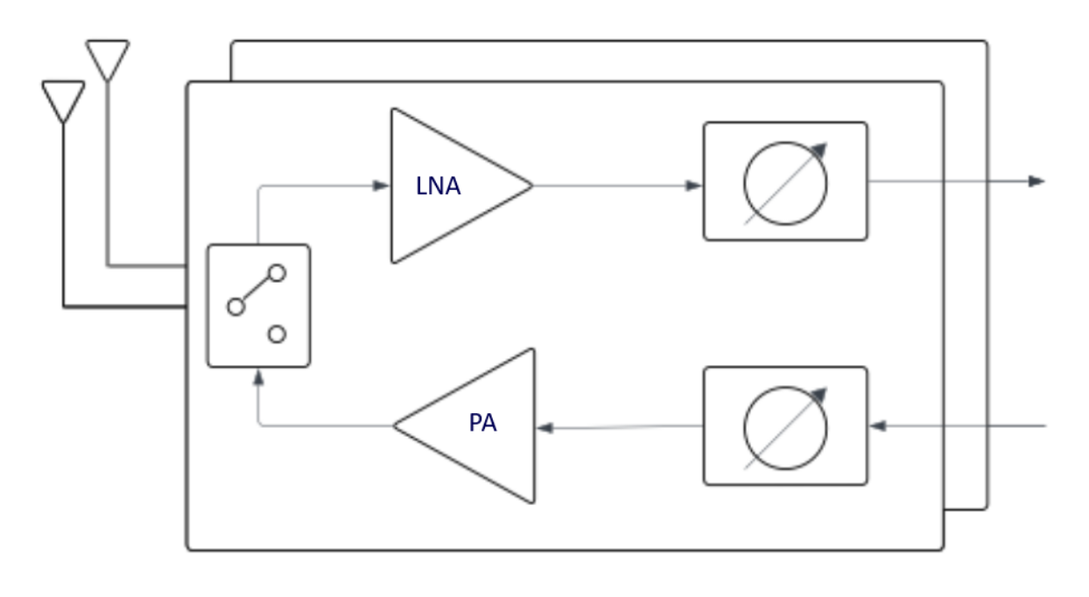
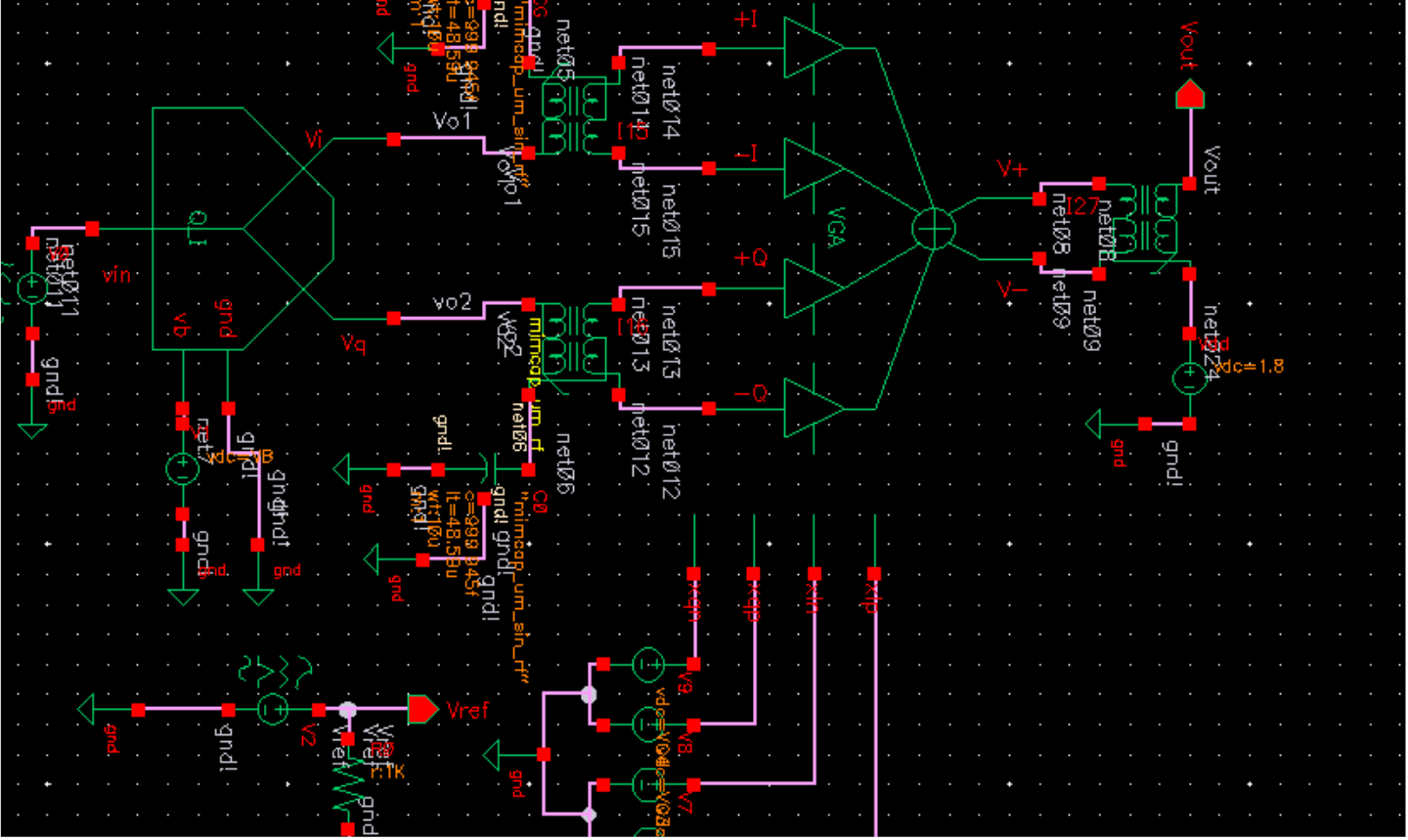
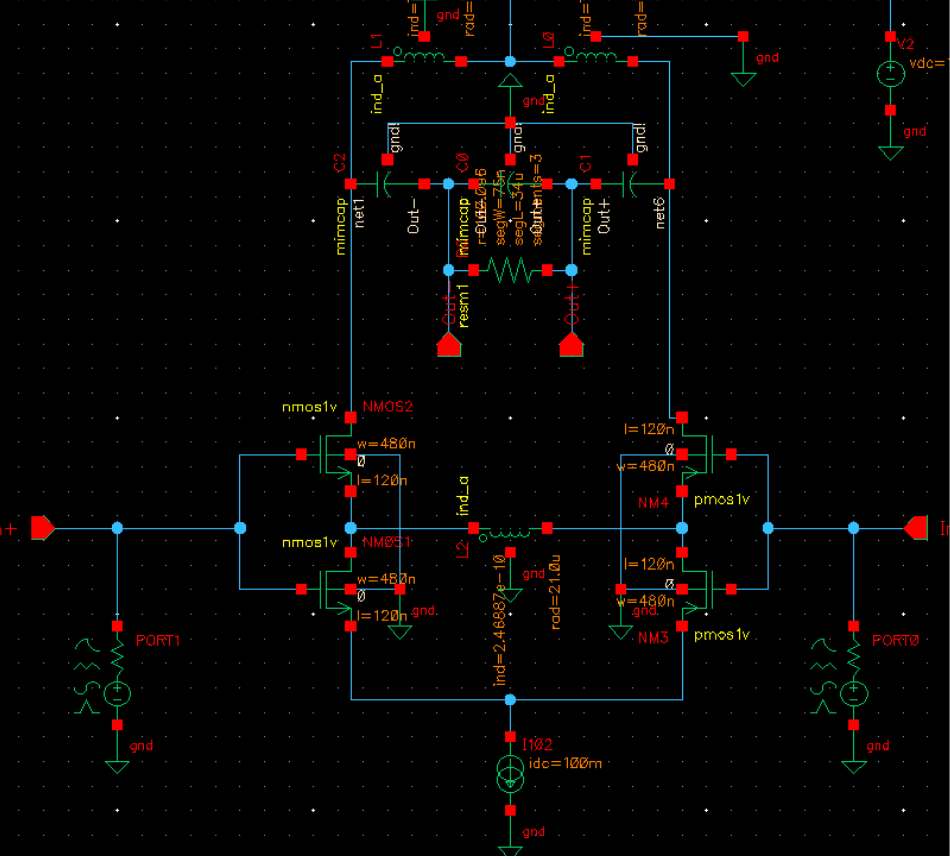
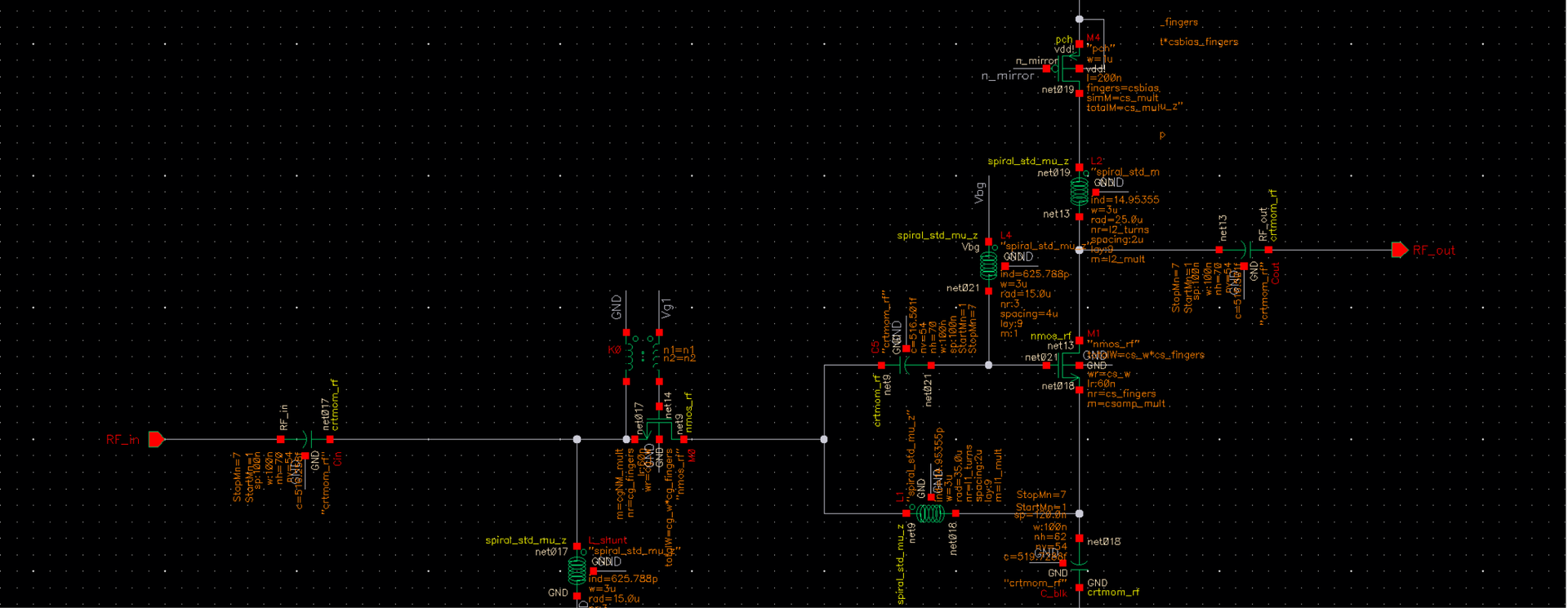
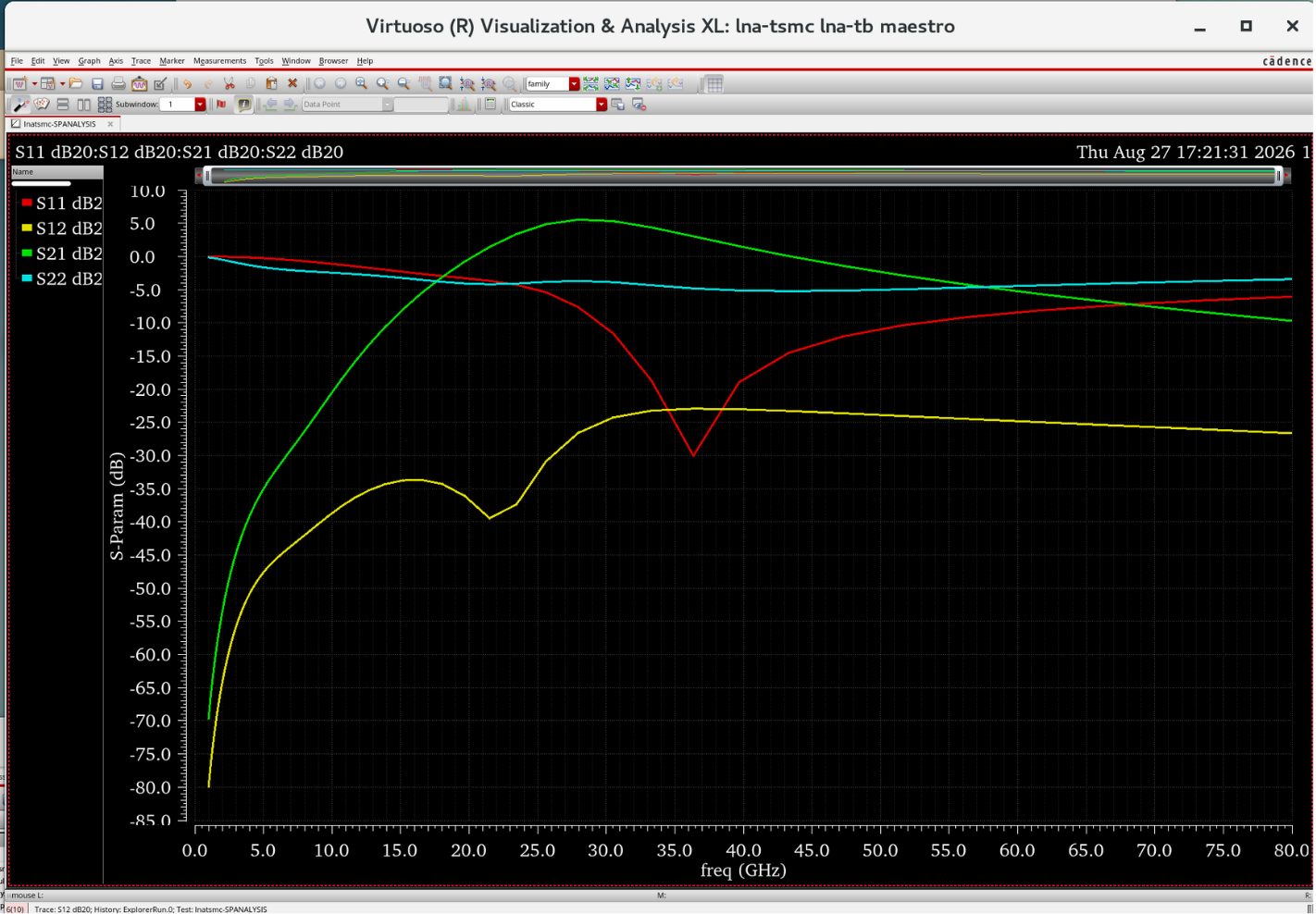
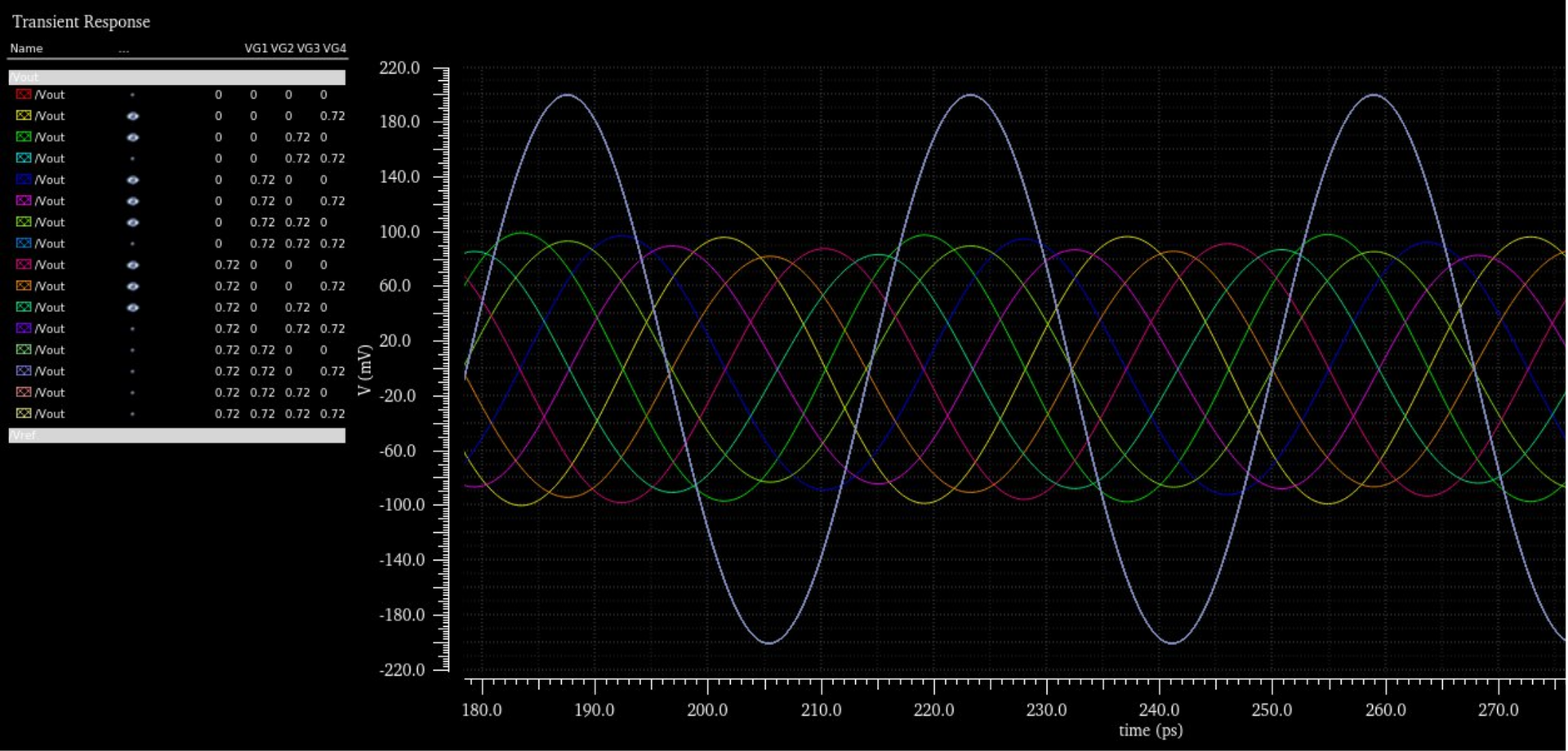
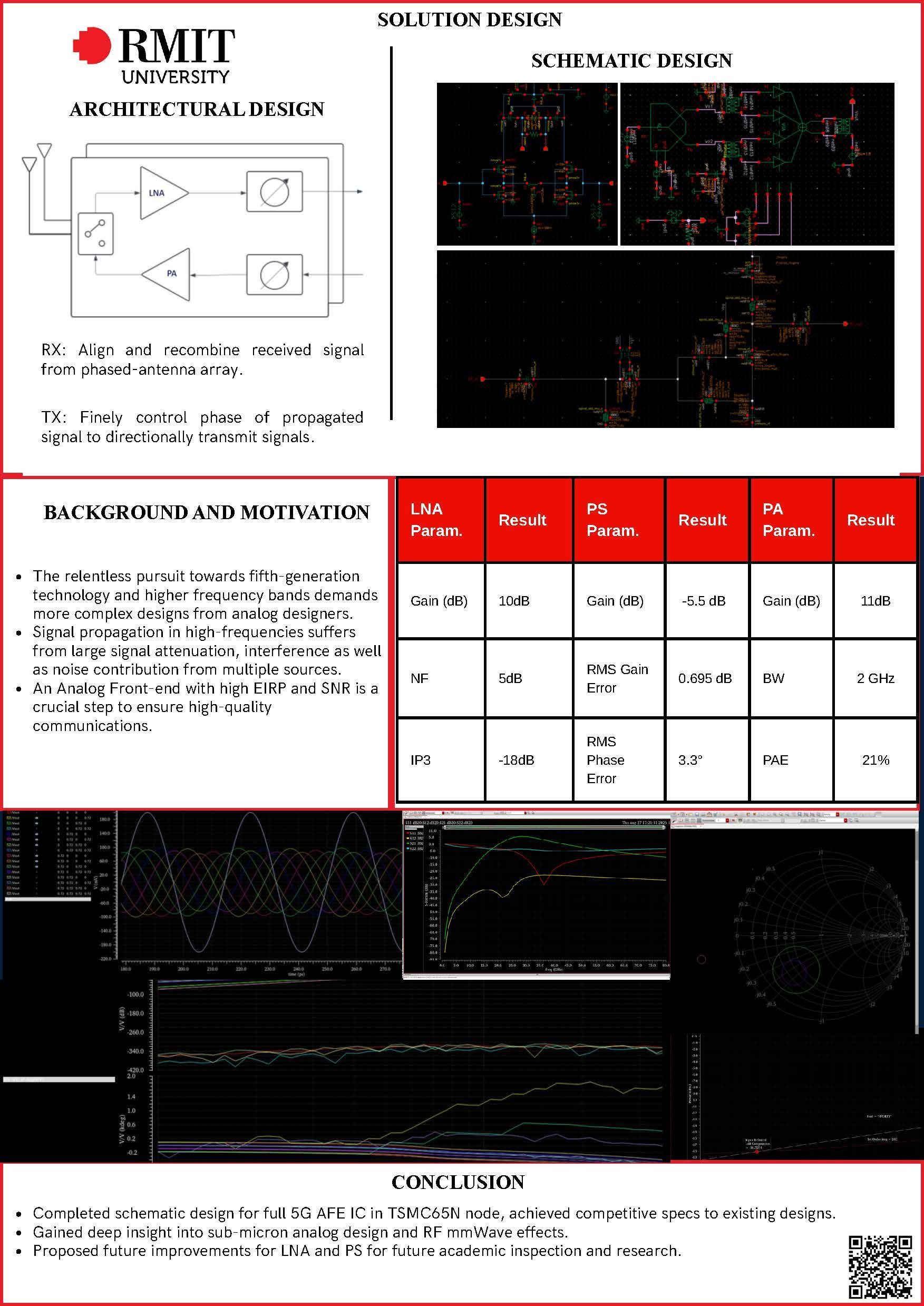
The AFE is the interface between the modulated signal received or sent at the antenna, and the analog-to-digital converter (ADC) that handles downstream processing for RF signals, featuring both a transmitter (Tx) and a receiver (Rx) within. In the Tx chain, the modulated signal is processed by a phase shifter (PS), which applies a controlled phase shift for beamforming and directional transmission. In mmWave systems, this phase control is essential for overcoming high path loss and improving link quality. Finally, the signal is amplified by a power amplifier (PA) to achieve sufficient transmit power before being radiated by the antenna. Conversely, the Rx chain receives signal from the antenna – whose amplitude is oftentimes attenuated heavily from travelling through different mediums, which then requires a Low-noise Amplifier to boost without introducing too much noise.
Recent studies on AFE IC design focus on dual-band or broadband operations or high-speed, high-quality converters (ADC). This highlights the need for a single-band AFE that focuses on 5G NR n257 (28 GHz) band that countries such as Vietnam are deploying, that delivers high-speed, low-loss RF amplification (LNA and PA) and phase shift before it is processed in the digital realm. This would provide a more attractive compromise between chip complexity and power consumption, as well as performance tailored to the specific context and needs of domestic networks.
Project Snapshots